
As the vibrant autumn colors begin to paint Millbrook's scenic landscapes and temperatures start to drop, it's the perfect time to ensure your home's security is ready for the season ahead. Fall brings unique challenges for homeowners in our Hudson Valley community—from shorter daylight hours that increase break-in risks to weather changes that can affect your locks and security systems. Whether you're preparing for the holidays, winterizing your property, or simply want peace of mind as we head into the darker months, this comprehensive fall locksmith checklist will help protect your Millbrook home and family.
Why Fall Security Maintenance Matters in Millbrook
Millbrook's beautiful rural setting and close-knit community atmosphere make it an ideal place to call home, but that doesn't mean we should overlook security considerations. Fall represents a transitional period when many homeowners are focused on yard work and winter preparation, sometimes neglecting their home security needs. According to FBI statistics, residential burglaries increase during the fall and winter months, with thieves taking advantage of early darkness and holiday absences.
The changing weather conditions in Dutchess County can also take a toll on your locks and security hardware. Temperature fluctuations, increased moisture from fall rains, and the transition from summer humidity to winter dryness can cause locks to stick, keys to become difficult to turn, and security systems to malfunction. Taking proactive steps now can prevent emergency lockout situations and security vulnerabilities when you least expect them.
Inspect All Entry Point Locks
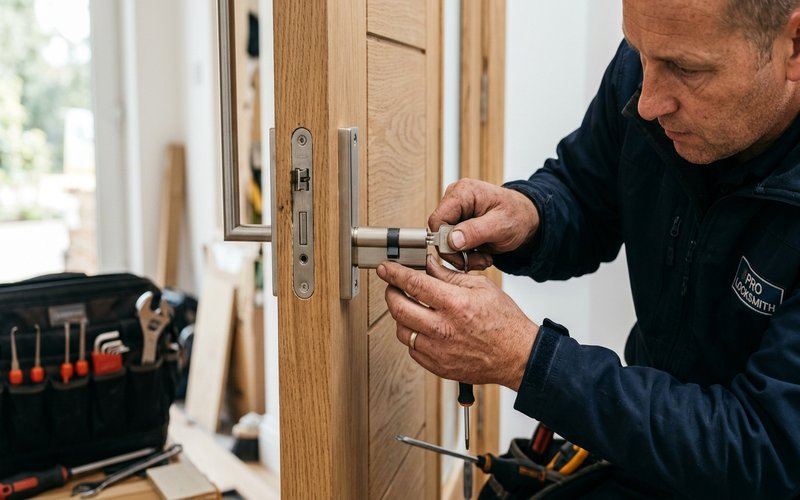
The foundation of home security starts with properly functioning locks on every entry point. Begin your fall maintenance by conducting a thorough inspection of all doors—front, back, side, garage, and any basement or attic access points.
Test Every Lock's Functionality
Go to each door in your home and test the lock mechanism. Turn the key slowly and feel for any resistance, grinding, or sticking. Locks should turn smoothly without requiring excessive force. If you notice any difficulty, this could indicate internal wear, debris accumulation, or the need for lubrication. Don't ignore these warning signs—a lock that's difficult to operate today could fail completely tomorrow, potentially leaving you locked out in cold weather or, worse, unable to secure your home.
Check Deadbolt Alignment
Deadbolts are your primary defense against forced entry, but they're only effective when properly aligned. Close each door and attempt to engage the deadbolt. It should slide smoothly into the strike plate without resistance. If you need to lift or push the door to get the deadbolt to catch, your door may have settled or shifted—a common occurrence in older Millbrook homes. Misaligned deadbolts not only compromise security but also put unnecessary strain on the lock mechanism, leading to premature failure.
Examine Lock Hardware Condition
Look closely at the physical condition of your lock hardware. Check for signs of rust, corrosion, or weather damage, particularly on exterior locks that face the elements. In Millbrook's climate, moisture can cause significant deterioration over time. Also inspect the screws securing your locks and strike plates—loose hardware creates vulnerabilities that experienced burglars can exploit.
Upgrade to High-Security Locks
If your home still has builder-grade locks or you've been in your home for several years without upgrading, fall is an excellent time to consider high-security lock systems. Modern lock technology has advanced significantly, offering superior protection against picking, bumping, and drilling—techniques that professional criminals commonly use.
Benefits of High-Security Lock Systems
High-security locks feature reinforced strike plates, hardened steel components, and complex pin configurations that make unauthorized entry extremely difficult. Many systems also include key control features, meaning keys cannot be duplicated at local hardware stores without proper authorization. This prevents former residents, contractors, or service workers from retaining access to your home.
For Millbrook homeowners, Grade 1 deadbolts represent the gold standard in residential security. These locks meet the highest ANSI/BHMA standards for strength, durability, and security. While they cost more than standard locks, the investment provides substantial peace of mind and may even reduce your homeowner's insurance premiums.
Smart Lock Technology Considerations
Smart locks have become increasingly popular, offering keyless entry, remote access control, and integration with home security systems. For families with children, elderly parents, or regular service providers, smart locks eliminate concerns about lost keys or unauthorized copies. You can grant temporary access codes, receive notifications when doors are opened, and even lock or unlock doors remotely from your smartphone.
However, smart locks do require consideration of battery life and connectivity. As we head into fall and winter, ensure you have a backup plan for power outages and understand how your system functions when internet connectivity is interrupted.
Rekey or Replace Locks as Needed
Fall is an ideal time to address any concerns about who might have access to your home. If you've recently moved to Millbrook, had contractors or service workers in your home, experienced a break-up or roommate situation, or lost track of key copies, rekeying your locks should be a priority.
When to Rekey vs. Replace
Rekeying involves changing the internal pin configuration of your existing locks so that old keys no longer work. This is typically the most cost-effective solution when your locks are in good condition but you need to control access. A professional locksmith can rekey multiple locks to work with the same key, providing convenience while enhancing security.
Replacement becomes necessary when locks are damaged, outdated, or don't meet current security standards. If your locks are more than 10-15 years old, replacement with modern high-security options is usually the better investment.
Master Key Systems
For larger Millbrook homes or properties with multiple buildings, consider implementing a master key system. This allows you to use a single key for all locks while still maintaining individual keys for specific areas. It's particularly useful for managing access for family members, housekeepers, or property caretakers.
Lubricate and Maintain Lock Mechanisms
Proper maintenance extends lock life and ensures reliable operation throughout the harsh winter months ahead. Many lock problems can be prevented with simple seasonal maintenance.
Correct Lubrication Techniques
Use graphite powder or silicone-based lubricants specifically designed for locks—never use oil-based products like WD-40, which can attract dirt and gum up the mechanism over time. Insert the lubricant into the keyway and work the key in and out several times to distribute it evenly. For deadbolts, apply lubricant to the bolt mechanism as well.
Cleaning Lock Components
Dirt, dust, and debris accumulation can cause locks to stick or fail. Use compressed air to blow out any buildup from the keyway. For exterior locks exposed to the elements, consider protecting them with weatherproof covers that shield against rain and snow while still allowing normal operation.
Door Hardware Maintenance
Don't forget other door hardware components. Tighten any loose screws on hinges, handles, and strike plates. Check that door closers (if equipped) are functioning properly and adjusted for the current season—door closers often need adjustment as temperatures change because hydraulic fluid behaves differently in cold weather.
Assess Window Lock Security
Windows represent vulnerable entry points that homeowners often overlook. A comprehensive fall security assessment must include all ground-floor and easily accessible windows.
Window Lock Inspection
Test each window lock to ensure it engages properly and holds securely. Many standard window locks are flimsy and provide minimal security. If you can easily wiggle or force a locked window open, it's time for an upgrade.
Window Security Enhancements
Consider adding secondary locking mechanisms such as window pins, keyed locks, or security bars. For casement and sliding windows, track stops and blocking devices prevent windows from being forced open even if the primary lock is compromised. These inexpensive additions significantly increase security.
Basement and Ground-Floor Windows
Pay special attention to basement windows and any ground-floor windows concealed by landscaping. These are prime targets for burglars. Window well covers can prevent basement window access, while thorough vegetation trimming eliminates hiding spots and improves natural surveillance.
Evaluate Garage and Shed Security
Detached garages, sheds, and outbuildings often contain valuable tools, equipment, and seasonal items that attract thieves. As you store lawn equipment and prepare for winter, ensure these structures are properly secured.
Garage Door Lock Assessment
If you have a manual garage door, verify that the lock mechanism functions correctly. For automatic garage door openers, change default codes and ensure the rolling code feature is enabled to prevent code-grabbing attacks. Cover or disable the emergency release handle access from outside the door.
Padlock and Hasp Inspection
Sheds and outbuildings typically use padlocks and hasps. Inspect these for weather damage and replace any rusted or corroded hardware. Upgrade to shrouded or closed-shackle padlocks that protect the shackle from bolt cutter attacks. Ensure hasps are secured with carriage bolts or through-bolts that cannot be easily removed.
Interior Garage Door Security
The door connecting your garage to your home deserves the same security attention as exterior doors. This entry point should have a solid core or metal door equipped with a deadbolt lock. Many homeowners neglect this door because it's inside the garage, but if a burglar gains garage access, an unsecured interior door provides easy home entry.
Implement Seasonal Lighting Strategies
As daylight hours decrease throughout fall and winter, proper lighting becomes critical for home security. Darkness provides cover for burglars and increases the risk of criminal activity.
Exterior Lighting Assessment
Evaluate your property's exterior lighting, focusing on entry points, pathways, driveways, and dark corners. All doors should be well-lit, and there should be no dark zones around your home's perimeter. Replace burned-out bulbs and consider upgrading to brighter LED fixtures that provide better illumination while using less energy.
Motion-Activated Security Lighting
Motion-activated lights serve dual purposes—they provide illumination when you need it and startle potential intruders. Install motion sensors at all entry points and along pathways. Adjust sensitivity settings to minimize false triggers from animals while ensuring human movement is detected.
Timer and Smart Lighting Systems
When you're away from home, automated lighting creates the appearance of occupancy. Use timers or smart home systems to turn interior lights on and off in varied patterns that mimic normal activity. This simple strategy significantly reduces break-in risk during evening hours.
Check Security System Functionality
If you have a home security system, fall maintenance should include a complete functionality check to ensure everything works properly before winter arrives.
Test All Sensors and Contacts
Trigger each door and window sensor to verify it communicates with your control panel. Check motion detectors by walking through their detection zones. Replace batteries in wireless sensors—don't wait for low battery warnings, as sensors may fail without notice in cold weather.
Verify Monitoring Service
Confirm your monitoring service is active and contact information is current. Test the system's communication with the monitoring center to ensure signals transmit properly. Update emergency contact lists and make sure all family members know the alarm codes and procedures.
Camera System Maintenance
Clean camera lenses and adjust positioning as needed based on seasonal landscape changes. Verify that cameras have clear views without obstructions from falling leaves or overgrown vegetation. Check recording functionality and ensure adequate storage space for footage.
Create a Comprehensive Key Management Plan
Poor key management creates security vulnerabilities that criminals can exploit. Fall is an excellent time to implement better practices.
Key Inventory and Audit
Account for every key to your home. Who has copies? Where are spares kept? Are keys properly labeled or identifiable? If you cannot definitively answer these questions, rekeying your locks should be a priority.
Secure Key Storage Solutions
Instead of hiding spare keys under doormats or planters—the first places burglars check—invest in a lockbox or key safe with a combination code. Mount it in a discreet location away from the door. Never leave garage door openers in vehicles parked outside, as these provide easy home access.
Key Control Policies
Establish family policies about key handling. Children should understand the importance of not losing keys or sharing information about home security. Service providers should never be given keys that aren't returned immediately after work completion.
Address Mailbox and Package Security
With holiday shopping season approaching, package theft becomes increasingly common. Secure mailboxes and develop strategies for protecting deliveries.
Mailbox Lock Upgrades
If you have a rural mailbox, consider a locking model that prevents mail theft and protects sensitive information. For homes with mail slots, ensure the interior catch is secure and mail cannot be fished out through the opening.
Package Delivery Solutions
Install package lockboxes or delivery boxes where carriers can secure items. Arrange for signature-required delivery on valuable shipments, or use package holding services when you'll be away. Video doorbells provide documentation of deliveries and deter porch pirates.
Prepare for Emergency Lockout Situations
Despite our best efforts, lockouts happen—and they always seem to occur at the worst possible times. Preparing now can prevent a minor inconvenience from becoming a major problem during cold weather.
Emergency Contact Information
Save the contact information for Millbrook Secure Locks & Keys in your phone before you need it. Having a trusted local locksmith's number readily available means faster service during emergencies. Keep this information in your vehicle as well, since many lockouts happen when you're coming or going.
Backup Access Plans
Identify a trusted neighbor or nearby family member who can hold a spare key. Ensure at least one other household member has keys to all locks. For vacation homes or seasonal properties, establish clear procedures for emergency access.
Recognize Warning Signs
Many lockouts are preventable if you recognize warning signs early. Difficulty turning keys, sticking locks, or keys that don't insert smoothly indicate problems developing. Address these issues promptly rather than waiting for complete failure.
Understanding Locksmith Services and Costs
Many homeowners have questions about locksmith services and what to expect regarding costs. Understanding these factors helps you make informed decisions and recognize fair pricing.
Common Locksmith Services
The most common locksmith tasks include lockout services, lock rekeying, new lock installation, key duplication, and security assessments. Residential locksmiths also handle smart lock installation, master key system setup, and safe opening. Emergency services are available 24/7 for urgent situations like lockouts or break-ins.
Cost Factors and Expectations
Locksmith costs vary based on the service required, time of day, and complexity of work. Basic services like rekeying typically cost less than complete lock replacement or high-security system installation. Emergency after-hours service generally includes higher rates. Average charges for standard residential lock services in the Millbrook area range from reasonable service call fees to several hundred dollars for comprehensive security upgrades.
What to Ask Before Hiring a Locksmith
Before hiring any locksmith, ask for identification and verify they're licensed and insured. Request a detailed estimate before work begins, including service call fees, labor, and parts. Ask about their experience with your specific lock type or security system. For emergency situations, confirm estimated arrival time. Legitimate locksmiths will readily provide this information and answer your questions professionally.
Proof and Credentials
Reputable locksmiths carry proper identification and can provide proof of licensing and insurance. For residential work, they should verify you're the property owner or authorized resident before performing services. This protects both you and the locksmith. Never hire a locksmith who is unwilling to provide credentials or verify authorization.
Fall Home Security Checklist Summary
To help you stay organized, here's a quick reference checklist for your fall locksmith and security maintenance:
- Test all door locks for smooth operation and proper alignment
- Inspect deadbolts and strike plates for wear or damage
- Check window locks on all ground-floor and accessible windows
- Evaluate garage, shed, and outbuilding security
- Lubricate all lock mechanisms with appropriate products
- Replace worn or outdated locks with high-security options
- Consider smart lock upgrades for enhanced convenience
- Re