
When you're faced with a lock problem, the temptation to handle it yourself can be strong. After all, we live in an age where YouTube tutorials and online guides promise quick fixes for just about everything. But when it comes to your home, business, or vehicle security, making the wrong choice between DIY and professional locksmith services can cost you much more than money—it can compromise your safety and peace of mind.
At Millbrook Secure Locks & Keys, we've seen countless situations where well-intentioned DIY attempts have turned minor issues into expensive emergencies. We've also encountered scenarios where homeowners could have saved time and money with a simple fix. Understanding when to reach for your toolbox and when to reach for your phone is crucial for every Millbrook property owner. This comprehensive guide will help you make informed decisions about your lock and security needs, ensuring you choose the most effective, economical, and safe solution every time.
Understanding the Appeal of DIY Lock Solutions
The do-it-yourself approach to lock problems has gained significant popularity in recent years, and for good reason. There's an undeniable satisfaction that comes from solving problems with your own hands, not to mention the potential cost savings. Many homeowners in Millbrook and the surrounding areas feel empowered by the wealth of information available at their fingertips.
The immediate appeal of DIY locksmith work includes avoiding service call fees, working on your own schedule without waiting for appointments, and the educational value of learning new skills. For simple tasks like lubricating sticky locks or tightening loose doorknobs, the DIY approach makes perfect sense. These minor maintenance tasks require minimal tools, carry low risk, and can genuinely extend the life of your hardware.
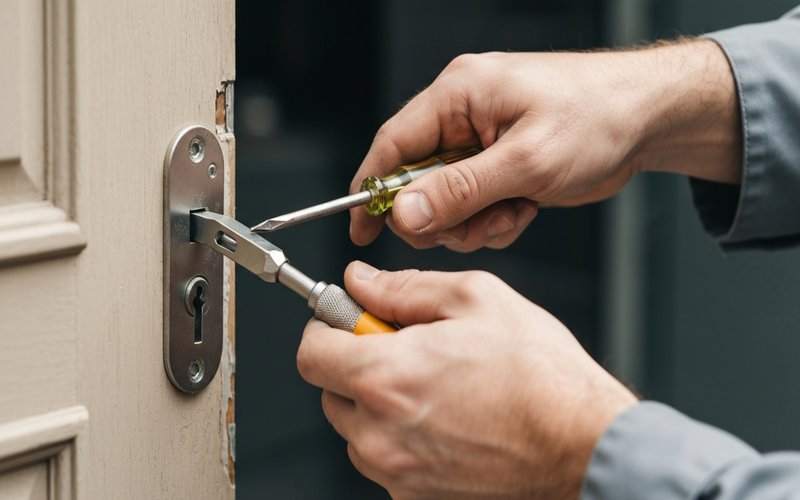
However, the line between appropriate DIY projects and situations requiring professional expertise isn't always clear. Many people underestimate the complexity of modern lock systems, the precision required for proper installation, and the security implications of improper work. What seems like a straightforward project can quickly spiral into a frustrating and costly situation when you lack the proper tools, knowledge, or experience.
When DIY Lock Projects Make Sense
There are definitely situations where handling lock issues yourself is both practical and appropriate. Understanding these scenarios can help you save money while maintaining your home's security effectively.
Basic Lock Maintenance
Routine maintenance is where DIY approaches shine brightest. Keeping your locks in good working condition doesn't require professional skills, just consistency and attention. Lubricating your locks twice a year with graphite powder or silicone spray prevents the internal mechanisms from seizing up. This simple task takes only minutes but can prevent countless headaches down the road.
Cleaning your locks is another straightforward maintenance task. Dirt, dust, and debris naturally accumulate in keyholes over time, especially in exterior doors exposed to the elements. A gentle cleaning with compressed air or a specialized lock cleaner can restore smooth operation without any risk of damage.
Tightening loose hardware is equally manageable for most homeowners. When doorknobs wiggle or strike plates shift, a simple screwdriver is often all you need to restore proper function. These minor adjustments prevent accelerated wear and ensure your locks continue working as intended.
Simple Replacements
Some replacement projects fall within the comfortable DIY realm for handy homeowners. Swapping out basic doorknobs on interior doors, for instance, typically involves straightforward steps that don't compromise security. Interior doors rarely require high-security features, making them ideal practice grounds for developing your skills.
Replacing standard deadbolt cylinders can also be DIY-friendly if you're working with like-for-like replacements. When you're simply updating the key without changing the lock type or security level, the project remains relatively straightforward. However, this assumes the existing installation is correct and you're confident in your ability to follow manufacturer instructions precisely.
Changing out strike plates and door reinforcement hardware can also be accomplished independently, provided you're comfortable with basic carpentry and have the right tools. These upgrades enhance security without requiring specialized locksmith knowledge.
Minor Key Issues
Certain key-related problems lend themselves to DIY solutions. If your key is slightly bent but not broken, careful straightening with pliers might restore function. Similarly, if a key is sticky due to residue buildup, cleaning it with rubbing alcohol often solves the problem immediately.
Having spare keys made at local hardware stores works fine for basic keys that don't have security features or electronic components. For simple household keys without restricted keyways, this remains a cost-effective option for creating backups.
When to Call a Professional Locksmith
While DIY approaches work for basic tasks, numerous situations absolutely require professional expertise. Recognizing these scenarios protects your property, saves money in the long run, and ensures your security isn't compromised.
Emergency Lockout Situations
Being locked out of your home, car, or business is stressful enough without compounding the problem through attempted DIY solutions. Professional locksmiths have specialized tools and training to gain entry without damaging your locks or doors. The cost of an emergency service call is invariably less than repairing damage from forced entry attempts.
Many Millbrook residents don't realize that homeowner's insurance or automotive coverage often includes lockout assistance. Before attempting anything yourself, check your policies—you might have professional help available at no additional cost.
Emergency situations also include broken keys stuck in locks, malfunctioning smart locks that won't respond, and security concerns requiring immediate rekeying. These scenarios demand immediate professional attention to restore security and functionality.
High-Security Lock Installation
Modern security systems have evolved far beyond simple pin-and-tumbler mechanisms. High-security locks incorporate complex features like sidebars, rotating disks, magnetic elements, and pick-resistant designs that require precise installation to function correctly.
Attempting to install these sophisticated locks yourself can void warranties, compromise their security features, and create vulnerabilities rather than eliminating them. Professional locksmiths understand the nuances of proper installation, including correct door preparation, precise alignment, and security feature activation.
Commercial-grade hardware presents even greater complexity. Master key systems, access control integration, and compliance with building codes and ADA requirements necessitate professional knowledge that goes far beyond basic handyman skills.
Rekeying Services
Rekeying—changing the internal pins so existing locks work with new keys—sounds simple but requires specialized tools and expertise. The process involves disassembling the lock cylinder, removing existing pins, calculating the correct pin depths for new keys, and reassembling everything with perfect precision.
Even minor errors in pin placement can render locks inoperable or easily defeated. Professional locksmiths complete rekeying in minutes with guaranteed results, whereas DIY attempts often end with damaged locks requiring complete replacement.
Rekeying becomes especially critical when you need multiple locks keyed alike or integrated into master key systems. These complex configurations require professional planning and execution to ensure security and functionality.
Smart Lock and Electronic Security Systems
Electronic locks, smart home integration, and keyless entry systems combine mechanical precision with electrical and software components. Installation requires understanding of both traditional locksmithing and modern technology, including wireless protocols, power management, and cybersecurity considerations.
Improper installation of smart locks can create security vulnerabilities, drain batteries quickly, or fail to integrate properly with your home automation system. Professional locksmiths certified in electronic security systems ensure proper installation, configuration, and testing.
These systems also require periodic maintenance and updates that go beyond typical homeowner capabilities. Professional support ensures your electronic security continues functioning reliably and securely.
Broken or Damaged Locks
When locks break—whether from attempted break-ins, weather damage, or mechanical failure—assessment by a professional is essential. What appears to be a simple repair might indicate deeper security issues or structural problems with the door or frame.
Professional locksmiths can evaluate whether repair or replacement is most appropriate, ensuring you don't invest money in patching up a lock that's fundamentally compromised. They also identify potential security vulnerabilities that led to the failure, addressing root causes rather than just symptoms.
Commercial Security Needs
Business security requires a level of sophistication and reliability that makes professional installation mandatory. Commercial locks must meet specific codes, integrate with fire safety systems, accommodate employee access needs, and withstand heavy daily use.
Liability concerns alone make DIY commercial locksmith work inadvisable. If security failures occur due to improper installation or maintenance, business owners may face legal consequences, insurance complications, and significant financial losses.
Professional commercial locksmiths also provide documentation, warranties, and ongoing support essential for business operations. They understand regulatory requirements specific to different business types and ensure full compliance.
The Hidden Costs of DIY Lock Work
The true expense of DIY locksmith projects extends far beyond the initial hardware costs. Understanding these hidden factors helps you make more accurate cost-benefit analyses.
Tool and Equipment Expenses
Professional locksmith work requires specialized tools that most homeowners don't own. Pin kits, key cutters, tension wrenches, plug followers, and specialized screwdrivers represent significant investments for one-time projects. By the time you purchase necessary equipment, you've often exceeded the cost of hiring a professional who already owns these tools.
Quality matters enormously with locksmith tools. Cheap alternatives often damage locks or fail mid-project, forcing you to start over or call a professional anyway. Professional-grade tools are expensive but necessary for reliable results.
Time Investment
DIY projects always take longer than anticipated, especially without experience. What a professional completes in 30 minutes might consume your entire afternoon, including research time, store trips, and troubleshooting. For busy Millbrook residents, the opportunity cost of this time often outweighs any savings.
Learning curves are real. Your first attempt at any locksmith task will be slower and more error-prone than subsequent attempts. Unless you plan to perform similar work regularly, you're paying the full learning cost for a single project.
Potential Damage and Mistakes
Incorrect installation can damage doors, frames, and the locks themselves. Drilling holes in wrong locations, stripping screws, cracking cylinders, or misaligning components creates expensive repairs. Professional locksmiths carry insurance for the rare times mistakes occur; homeowners bear the full cost of their errors.
Security compromises represent the most serious potential consequence. Improperly installed locks might appear functional while actually providing little security. You won't discover these vulnerabilities until they're exploited, potentially resulting in theft, property damage, or safety risks.
Warranty Considerations
Most quality lock manufacturers void warranties if products aren't professionally installed. If your DIY-installed lock fails prematurely, you'll pay full replacement costs rather than receiving warranty coverage.
Similarly, homeowner's insurance claims can be complicated if losses occur due to improperly installed or maintained locks. Insurance adjusters may deny claims or reduce payouts when they determine security measures were inadequate or incorrectly implemented.
The Value Professional Locksmiths Provide
Understanding what professional locksmiths offer helps clarify when their services represent the best investment in your security.
Expertise and Experience
Professional locksmiths complete years of training and apprenticeship, developing skills that can't be matched by watching tutorials. They've encountered countless lock types, security scenarios, and problem-solving challenges that inform their approach to your specific situation.
This experience allows professionals to quickly diagnose problems, identify optimal solutions, and anticipate potential complications. They know which products offer the best value for specific applications and can recommend security upgrades you might not have considered.
Proper Tools and Equipment
Professional locksmiths arrive equipped for any scenario. Their service vehicles carry extensive inventories of tools, parts, and hardware, enabling them to complete jobs without multiple store trips or ordering delays.
Specialized equipment also enables non-destructive entry techniques and precise installation that simply isn't possible with standard household tools. This capability saves money by preserving existing hardware and avoiding unnecessary damage.
Guaranteed Results
Reputable locksmith services stand behind their work with warranties and guarantees. If problems arise after installation or service, they return to correct issues at no additional charge. This peace of mind has tremendous value, especially for security-critical applications.
Professional work also meets code requirements and industry standards, ensuring compliance with regulations and optimizing insurance coverage. Documentation provided by licensed locksmiths can be valuable for insurance purposes and property transfers.
Comprehensive Security Consultation
When professional locksmiths assess your property, they evaluate overall security rather than just addressing the immediate issue. This holistic perspective helps identify vulnerabilities you might not recognize, from weak strike plates to easily defeated locks.
Many Millbrook homeowners have discovered security gaps during routine service calls, allowing them to proactively address issues before experiencing losses. This consultative approach adds value far beyond the specific service requested.
Emergency Availability
Security emergencies don't respect business hours. Professional locksmiths offer 24/7 availability for urgent situations, providing rapid response when you need help most. The value of this service becomes crystal clear at 2 AM when you're locked out or discover a security breach.
Local locksmiths familiar with Millbrook and surrounding areas also respond faster than distant services, minimizing your exposure during vulnerable situations.
Making the Right Choice for Your Situation
Every lock-related situation requires evaluating several factors to determine the best approach. Use this framework to guide your decision-making.
Assess the Complexity
Honestly evaluate the technical complexity of your project. Research the specific lock type, read manufacturer instructions, and watch multiple tutorials to understand what's involved. If instructions seem confusing or the process appears involved, professional help is warranted.
Consider whether specialized tools are required. If the project needs equipment you don't own and won't use again, professional service usually represents better value.
Consider Security Implications
Any work affecting security—exterior doors, business entrances, vehicle locks—deserves professional attention. The consequences of security failures far outweigh potential savings from DIY work.
High-crime areas, valuable property, and vulnerable household members increase the importance of professional installation and maintenance. Don't compromise security for minimal cost savings.
Evaluate Your Skills and Confidence
Be realistic about your abilities. Confidence is important, but overconfidence leads to expensive mistakes. If you've successfully completed similar projects, you might be prepared for slightly more advanced work. If this is entirely new territory, professional services mitigate risk.
Consider your comfort level with irreversible steps. Drilling holes, cutting doors, or modifying frames can't be easily undone. If you're uncertain about any step, professional consultation prevents costly errors.
Factor in Time Constraints
Urgent situations demand professional solutions. When security is compromised or you need immediate access, the time saved by professional services justifies the cost.
Even for non-urgent projects, consider your available time realistically. If weekends are precious or you're juggling multiple responsibilities, paying for efficiency makes sense.
Calculate Total Costs
Compare the complete cost of DIY versus professional work, including tools, materials, your time value, and potential mistake costs. Often, this honest calculation reveals professional services cost less than they initially appear.
Remember that professional results typically last longer and function better than amateur installations, providing better long-term value even if initial costs are higher.
Common DIY Mistakes to Avoid
If you do proceed with DIY lock work, avoiding these common errors dramatically improves your success rate.
Using Incorrect or Low-Quality Products
Not all locks are created equal. Big-box store bargain locks often sacrifice security for low prices. Research products thoroughly, read reviews, and understand security ratings before purchasing.
Ensure replacement parts match your existing hardware exactly. Even minor size differences can prevent proper installation or compromise function.
Skipping Preparation Steps
Properly preparing doors and frames is critical for successful lock installation. Taking time to accurately mark drill holes, check alignment, and ensure square installation prevents problems that plague rushed jobs.
Read instructions completely before starting. Many mistakes occur because people skip ahead or assume they understand steps without reading carefully.
Over-Tightening Hardware
Excessive force when tightening screws strips threads, cracks cylinders, and damages components. Hand-tighten screws snugly without forcing them. If you encounter unusual resistance, stop and investigate rather than applying more force.
Neglecting to Test Thoroughly
After completing any lock work